
MCBA is happy to announce our new, Agenda 23, Forest health and wildlife initiative. This is a Stakeholder Blacktail Deer population monitoring program we are launching. It will be a peer reviewed, scientific document and will be a key component to introduce to the F & G commission for possible future regulatory changes regarding big game management strategies. This is a vital project, and much needed in order to discover what is the current estimated population of the Blacktail deer. Once estimations are assessed, we will then be able to make recommendations on negative mitigating factors. Our goal is to secure 500 stakeholders to contribute $400.00, which is our budget for the first year. We will start in Mendocino National Forest on June 1st. We will address all five Forests surrounding the B-Zones in the next 5 years, providing funding is achieved. Please consider helping manage the B-Zone herd! Each stakeholder will receive recognition on the Project document.
For more information, you can view both the Project Plan and the Stakeholder Initiative
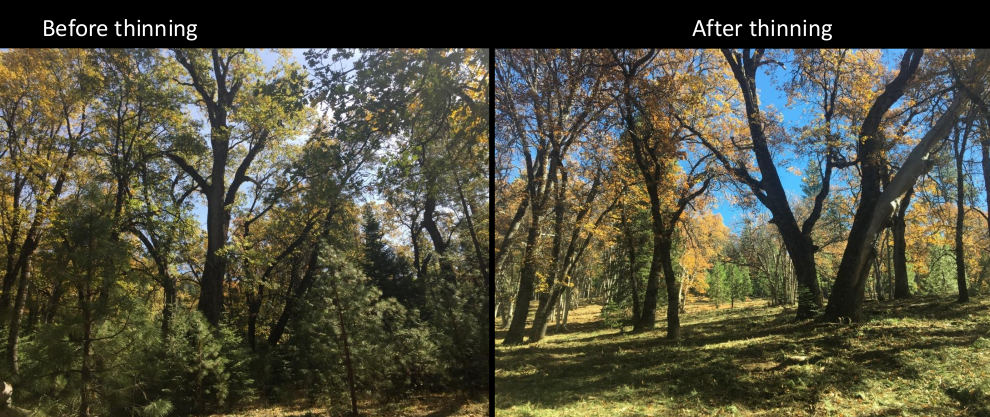
The Mendocino County Blacktail Association (MCBA) and the Mendocino National Forest (MNF) began a partnership to improve wildlife habitat on the Mendocino National Forest. After many years of building this partnership through field trips and meetings, beginning in early 2016, MCBA and MNF submitted a grant to the California Department of Fish and Wildlife (CDFW). In November of 2016, the grant was awarded for the Baseball thinning project in Covelo, CA. The project is near Atchinson Campground, a popular area on the Forest for deer hunting. MCBA donated $85,000 towards the project, and the Mule Deer Foundation (MDF) donated $10,000. Following this, the Baseball project, being high in elevation, was under snow for the winter and spring months.
During this time, MCBA, MDF and MNF worked on a collections agreement for each respective grant. MNF fuels personnel laid out contract units and started writing contracts in preparation for putting the work out to bid. In spring of 2017, the Baseball Mastication project was put out for bids to contractors and awarded at a cost lower than originally estimated. This resulted in 170 acres of thinning being accomplished instead of the 100 acres initially expected and proposed in the grant proposal to CDFW and MDF. Work started during the summer of 2017 after LOP's were lifted. Once work started the contractor was on site until rain and snow put them out of operations for the winter. At that time they had completed approximately half of the work. In July of 2018, work commenced, and work was completed before the end of August 2018. MNF personnel accepted the contractor's final work.
For more pics and info, check out our PDF press release.
In addition to the Baseball project, the MCBA and the BLM are collaborating on a project to top shrubs in the Chemise Knob area in order to create new growth for deer to feed on.
Additional pruning will take place at Willis Ridge, Brushy Mountain Timbered Ridge and Dingman Ridge in the future.
For more info, check out the BLM press release:
https://www.blm.gov/press-release/mendocino-county-blacktail-association-begins-habitat-improvement-project-blm-managedParadise Ridge is located on the King Range in Humboldt County. It is managed by the Bureau of Land Management. Douglas Fir had encroached on native Oak stands to the detriment of both plant communities. Blacktail deer nutrition had suffered and the health of the herd was compromised due to lack of good feed.
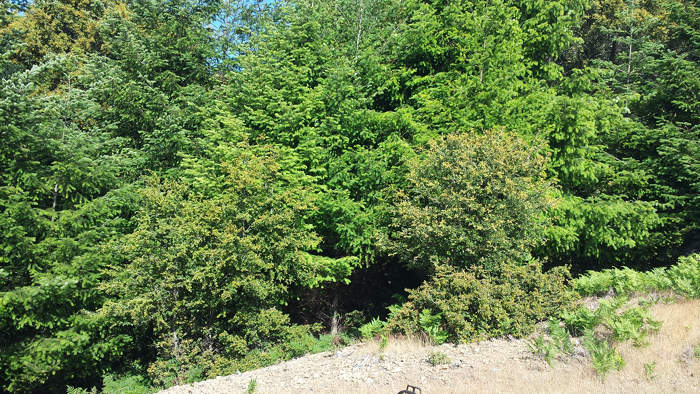
(Paradise Ridge: Pre-Treatment)
MCBA proposed a habitat restoration project, funded by California Department of Fish & Wildlife (CDFW) on this important BLM range. BLM Manager Jesse Irwin and CDFW Wildlife Manager Craig Stowers provided key agency support on both ends, while MCBA performed the actual work on the ground. The CDFW grant provided $60,000 of necessary funding and MCBA contributed an additional $17,000 of member-generated support.
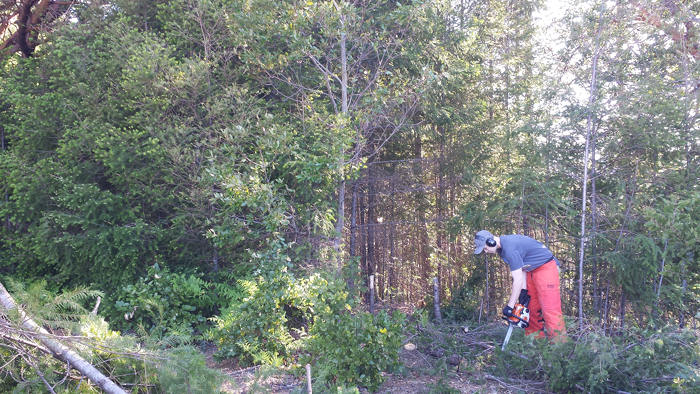
(Paradise Ridge: Work In Progress)
MCBA employed the professional services of Family Tree Service for the heavy lifting and brought in a combination of experienced and younger workers to perform the majority of the very laborious work. Terrain was remote and very steep, with every type of extreme weather during the work phase. The result is 60 acres of fully remediated Blacktail deer habitat which will provide good nutrition for decades to come.
MCBA is proud of this project and extends its gratitude to our membership for solid support in the field and at our fundraising events. Please attend our annual MCBA dinners in Lake county on January 6th and Mendocino county on April 21st in 2018.
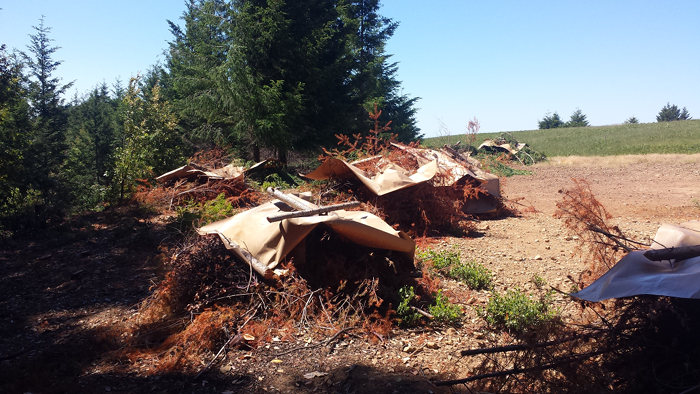
(Paradise Ridge: Burn Piles)
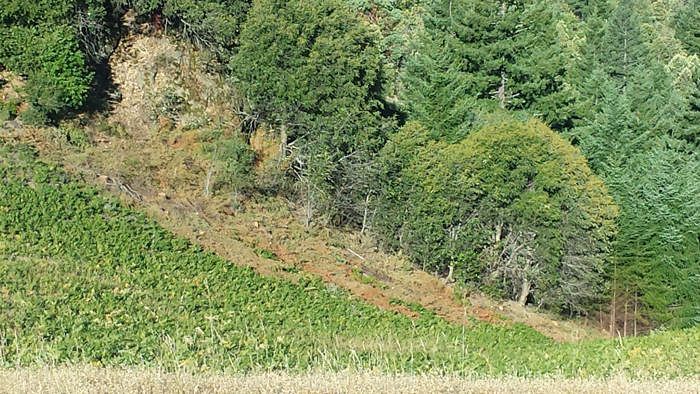
(Paradise Ridge: Post-Treatment)
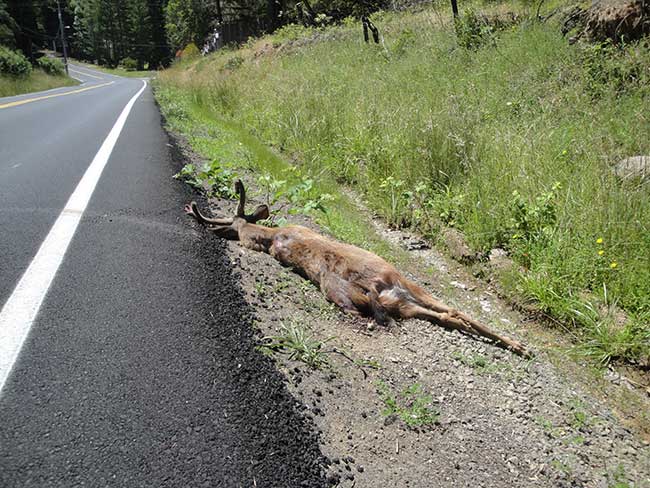
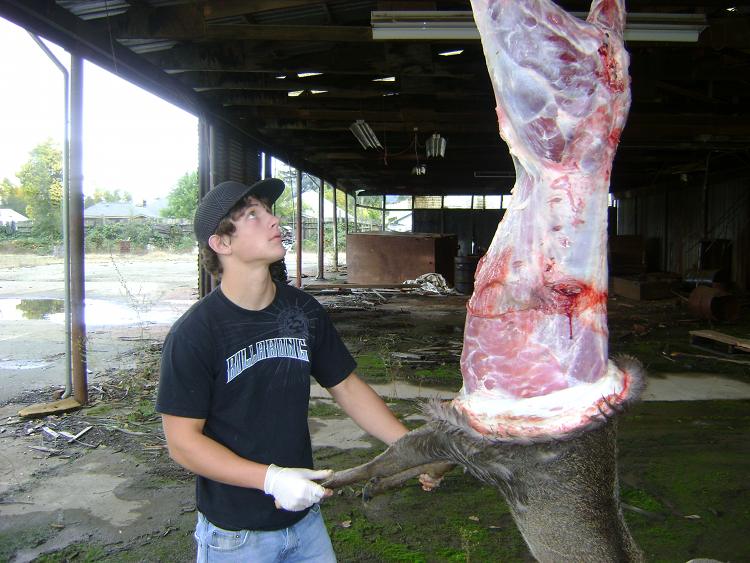
The project is the first of its kind in order to better understand current negative factors, and manage deer in public lands. The project will be capturing more adult deer this fall on private lands, and then in December of 09, we started capturing Mountain Lions, and monitoring their movements as well . All of this is to compare private lands , and public lands, and determine the various factors in both habitats and relationships, that affect deer negatively, and positively. This information is necessary to alter fish and game regulations, concerning Deer management.
The Mendocino Black-tailed Deer project is a collaborative effort between the California Department of Fish and Game (CDFG) and the University of California, Davis to investigate the factors limiting the black-tailed deer (Odocoileus hemionus columbianus) population in the Mendocino National Forest and surrounding private lands. The study is intended to provide information that is necessary for the management of black-tailed deer in the area.
Additional financial support for the study has been provided by the California Deer Association (CDA) and the Mendocino County Blacktail Association (MCBA).
The first phase of the study was initiated in June of 2009. Adult female deer were captured during June and August in variouslocations in the Mendocino National Forest and fitted with GPS collars. The locations from these collars will be used to identify wintering and fawning habitat, and to determine habitat selection and use. In late June and early July fawns were captured in high elevation summer range areas. Each fawn was weighed, measured, and fitted with a small radio ear tag. All fawns and adult female deer were monitored daily from June through September, and all mortalities were investigated and analyzed. Mortality analysis included using predation analysis protocols and collecting DNA samples to determine predator species.
During the winter adults and surviving fawns are monitored weekly. The cougar component of the study will also be initiated this winter, and a sample of cougars will be captured and fit with satellite GPS collars to determine cougar predation rates and diet.
This year the second phase of the study will begin. The second phase will include capturing and collaring adult females in lower elevation areas, capturing and monitoring fawns in both low and high elevation areas, assessing deer habitat quality, and conducting deer and predator relative abundance surveys.
Only 2 collared adult deer have died during the study so far. At this point in the study, adult females survival rates are typical of stable deer populations.
The cause of death is awaiting analysis of DNA evidence and bone marrow analysis. Bone marrow analysis and DNA evidence results will determine whether death was due to starvation, disease, or predation.
Fawn mortality rates for the first season were within the normal range expected for deer populations. Twenty percent (20%) of fawns survived the summer months, and predation was a significant cause of death, although nutrition may have been a contributing factor. Researchers tentatively identified predator identity at the kill site, but these results are preliminary and awaiting confirmation by analysis of DNA samples. Researchers also collected marrow to analyze fawn body condition.
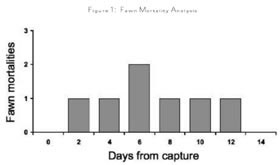
Rigorous handling protocols were followed to minimize all possible capture effects on fawns. Handling time was 5 minutes or less for each captured fawn, and precautions were taken to control human scent. Fawn mortalities were also analyzed to detect any effect of capture, such as abandonment by the mother or increased predation. If capture and handling had some effect more mortality should occur in the 2-3 days following capture than any other time. Fawn mortality was scattered with no apparent pattern, showing that capture did not have an effect (see Figure1)
As the project continues we will send further updates on a quarterly basis.